The best AI tools for digital marketing in 2026 are those integrating transformer-based predictive modeling with real-time API connectivity, specifically platforms like Salesforce Einstein, Adobe Sensei, and specialized niche engines like Pecan AI. These tools utilize deep learning to forecast customer lifetime value (CLV) and churn probability, enabling hyper-personalized automation that traditional rule-based systems cannot replicate.
Best AI Tools for Predictive Marketing 2026
Explore the best AI tools for digital marketing in 2026. A technical deep dive into predictive marketing automation, enterprise solutions, and implementation frameworks.
Crypto Finance Editorial DeskPublished Aug 8, 2026Updated Aug 8, 20265 min read1,039 words1 views
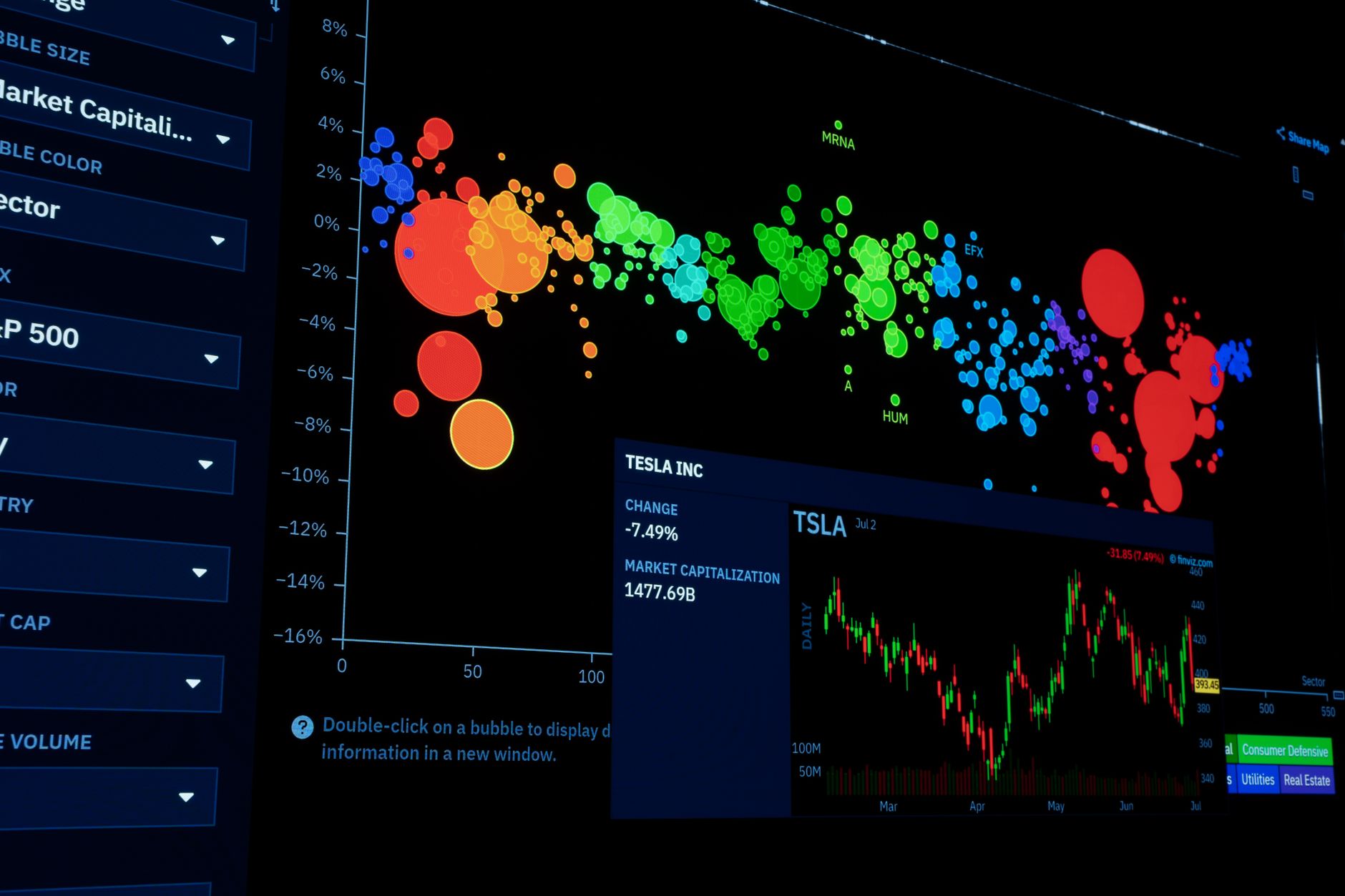
As we move into the mid-point of the decade, the shift from reactive analytics to proactive predictive intelligence has become the baseline for enterprise survival. We are no longer just segmenting audiences; we are simulating future behaviors. This evolution requires a technical understanding of how data pipelines feed into neural networks to drive automated decision-making. Much like how AI agents and RWA are revolutionizing wealth management, marketing is moving toward autonomous agentic workflows where the machine decides the optimal time, channel, and message for every individual user.
Key takeaways
- Shift from reactive to predictive modeling using transformer-based engines.
- Enterprise suites offer scale, while specialists offer deeper propensity modeling.
- Technical implementation requires robust ETL and low-latency API architectures.
- Data governance and bias mitigation are critical for automated marketing success.
The Shift to Predictive Engines
In previous years, digital marketing relied on historical data to tell us what happened. Today, the focus has shifted toward probabilistic modeling to tell us what *will* happen. Predictive marketing automation relies on the ingestion of high-velocity data streams—clickstream, transaction history, and even sentiment analysis from social signals—to generate real-time probability scores for specific user actions.
The technical complexity lies in the feature engineering required to make these models accurate. A successful implementation requires clean, normalized data pipelines that can handle unstructured data formats. Without high-fidelity data, even the most advanced transformer models will produce hallucinated trends, leading to wasted ad spend and brand dilution. We have observed that firms prioritizing data integrity over model complexity achieve a significantly higher ROI on their AI stack.
Top-Tier Enterprise Solutions
For large-scale organizations, the ecosystem is dominated by integrated suites like Adobe Sensei and Salesforce Einstein. These platforms are not just tools; they are massive data lakes equipped with predictive layers. They excel at cross-channel orchestration, ensuring that a user's experience on a mobile app is perfectly synchronized with their email journey and web experience.
The primary advantage here is the seamless integration with existing Customer Data Platforms (CDPs). However, the complexity of these systems requires a dedicated team of data scientists to tune the hyperparameters and prevent model drift. For mid-market firms, specialized engines like Pecan AI or 6sense offer a more streamlined approach to predictive modeling, focusing specifically on intent data and propensity scoring without the overhead of a full enterprise suite.
| Tool Category | Core Strength | Implementation Complexity | Primary Use Case |
|---|---|---|---|
| Enterprise Suites | Omnichannel Orchestration | High | Full-funnel automation |
| Predictive Specialists | Propensity Modeling | Medium | Churn & CLV prediction |
| Intent Engines | B2B Lead Scoring | Medium | Sales enablement |
| Generative-Predictive Hybrids | Content Personalization | Low | Dynamic creative optimization |
Technical Implementation Framework
Implementing predictive marketing automation is not a "plug and play" endeavor. It requires a structured approach to data architecture. First, you must establish a robust ETL (Extract, Transform, Load) process that feeds into your predictive engine. Second, you must define your target variables—are you predicting the probability of a purchase, the likelihood of a subscription cancellation, or the potential value of a lead?
Once the models are trained, the next step is the feedback loop. The AI must consume the outcomes of its previous predictions to refine its weights. This creates a self-optimizing cycle. For those managing complex digital assets, understanding the financial implications of these automated decisions is vital, much like how one must consult an institutional guide to navigating crypto tax rules in 2026 when managing high-frequency automated trading algorithms.
Optimizing for Hyper-Personalization
Hyper-personalization goes beyond inserting a first name into an email template. It involves dynamic content generation where the visual and textual elements of an ad change based on real-time predictive scores. If a model predicts a user is in a "high-intent" state for a specific product category, the automation engine should trigger a personalized landing page and a discount code via SMS simultaneously.
To achieve this, your tech stack must support low-latency API calls. If your predictive engine takes five seconds to calculate a score, the user has already scrolled past your ad. We recommend using edge computing to run lighter-weight predictive models closer to the user to minimize latency. This technical nuance is what separates high-performing automated campaigns from those that feel jarring and irrelevant.
Risk and Governance
With great automation comes significant risk. Model bias is a primary concern; if your training data is skewed, your marketing will be too, potentially alienating entire demographics. Furthermore, the regulatory landscape regarding data privacy is tightening globally. Automated decision-making must be transparent and auditable to comply with evolving standards.
Data governance is no longer just an IT function; it is a marketing necessity. You must ensure that the data used for predictive modeling is ethically sourced and that your automated triggers respect user opt-outs instantly. Failure to do so can lead to massive fines and irreparable brand damage. Always treat your marketing AI as a high-risk financial instrument that requires constant monitoring and auditing.
Selection Checklist
When evaluating your 2026 marketing AI stack, use the following criteria to ensure technical and strategic alignment:
- Evaluate the data ingestion capabilities: Can it handle real-time streaming data?
- Assess the interpretability of the models: Can you understand why the AI made a specific prediction?
- Check integration depth: Does it connect natively with your existing CRM and CDP?
- Review latency benchmarks: How long does the model take to return a score?
- Audit the bias-detection mechanisms: Does the tool offer tools to monitor for algorithmic bias?
The bottom line
Predictive marketing in 2026 is a game of data fidelity and architectural precision. To stay ahead, stop looking for "magic" software and start building a robust data infrastructure that supports high-frequency predictive modeling. Your first step should be an audit of your current data silos to ensure they are ready for AI ingestion.
Frequently asked questions
+What is the difference between reactive and predictive marketing?
Reactive marketing uses historical data to respond to past behaviors, such as sending an email after a user abandons a cart. Predictive marketing uses machine learning to forecast future behaviors, allowing brands to intervene or offer incentives before the user even takes action.
+How do I prevent model drift in marketing automation?
Model drift occurs when the real-world data changes and the model's accuracy declines. To prevent this, implement continuous monitoring, regular retraining cycles with fresh data, and automated alerts that trigger when predictive accuracy falls below a specific threshold.
CF
Crypto Finance Editorial Desk
Crypto Finance's editorial desk pairs an AI research pipeline with human review so every article is accurate, useful and free of hype.
Related articles
AI Business
Fine Tuning Vs Rag: A Practical Guide for 2026
Fine Tuning Vs Rag: a practical, risk-aware guide covering costs, trade-offs, implementation steps and how to measure results within 90 days.
Amara OseiJul 31, 20265 min1