Navigating crypto tax rules requires treating digital assets like property, where every trade, swap, or sale is a taxable event. To minimize liability, investors must track their cost basis and use strategies like tax loss harvesting crypto to offset gains against losses, ensuring full compliance with IRS reporting requirements.
Crypto Tax Rules: A Strategic Guide for Capital Gains
Master the complexities of crypto tax rules with our guide on capital gains, tax loss harvesting, and IRS compliance strategies to minimize your liability.
Crypto Finance Editorial DeskPublished Jul 30, 2026Updated Jul 30, 20265 min read1,061 words4 views
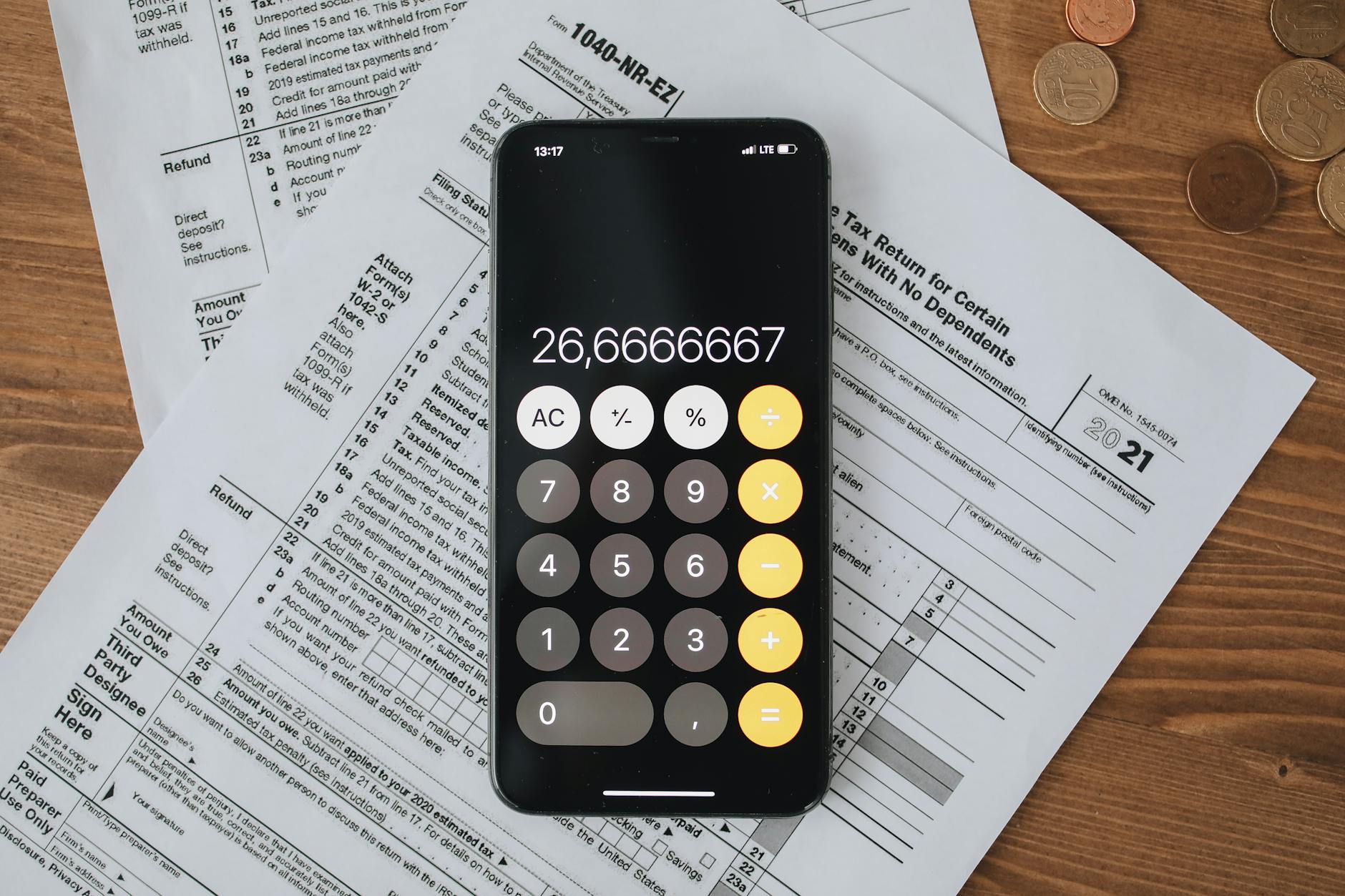
As the digital asset market matures, the technical gap between decentralized finance (DeFi) and traditional tax reporting is closing. For the modern investor, managing a crypto portfolio is no longer just about picking winners; it is about rigorous data management. Just as you would determine your emergency fund size to mitigate life's volatility, understanding tax law is the primary way to mitigate the volatility of your net returns.
Key takeaways
- Cryptocurrency is taxed as property, not currency, triggering gains on every swap.
- Holding assets for over a year can significantly reduce tax rates via long-term gains.
- Tax loss harvesting allows you to offset capital gains with portfolio losses.
- Accurate record-keeping across all wallets and exchanges is mandatory for IRS compliance.
Understanding the Taxable Event
In the eyes of most global tax authorities, including the IRS, cryptocurrency is not currency; it is property. This distinction is critical. Every time you exchange one token for another, use crypto to buy a cup of coffee, or sell it for fiat currency, you have triggered a disposal. If the value of the asset at the time of disposal is higher than what you paid for it (your cost basis), you owe crypto capital gains tax.
Taxable events are generally categorized into two buckets: capital gains and ordinary income. Mining rewards, staking yields, and airdrops are typically taxed as ordinary income based on their fair market value on the day they were received. Conversely, the appreciation of the asset from the moment of receipt to the moment of sale is treated as a capital gain.
Short-Term vs. Long-Term Gains
The duration for which you hold an asset significantly impacts your tax bill. Assets held for one year or less are subject to short-term capital gains rates, which align with your standard income tax brackets. Assets held for more than one year qualify for long-term capital gains rates, which are substantially lower, often ranging from 0% to 20% depending on your total taxable income.
This disparity makes the "HODL" strategy not just a meme, but a legitimate tax-efficiency play. By extending your holding period past the 365-day mark, you can effectively increase your after-tax return by double-digit percentages without changing your underlying investment thesis. Monitoring these dates is as essential as using the best budgeting apps to track your daily cash flow.
| Activity | Tax Category | Tax Rate Impact |
|---|---|---|
| Selling Crypto for USD | Capital Gain/Loss | Short or Long-term rates |
| Trading BTC for ETH | Capital Gain/Loss | Short or Long-term rates |
| Receiving Staking Rewards | Ordinary Income | Standard Income Brackets |
| Airdrops/Hard Forks | Ordinary Income | Standard Income Brackets |
Tax Loss Harvesting Strategies
One of the most powerful tools in a crypto investor's arsenal is tax loss harvesting crypto. This involves selling assets that are currently trading at a loss to offset gains realized elsewhere in your portfolio. Because the crypto market is famously volatile, these opportunities appear frequently, even during overall bull markets.
Currently, the "Wash Sale Rule"—which prevents investors from claiming a loss on a security if they buy a substantially identical security within 30 days—primarily applies to stocks and bonds. As of the current regulatory climate, many tax professionals argue this rule does not yet apply to crypto, allowing investors to sell at a loss and immediately buy back in. However, the window on this loophole may be closing, and it is vital to execute these trades with a clear economic purpose beyond mere tax avoidance.
"Tax efficiency in crypto isn't about avoiding the bill; it's about timing the realization of losses to ensure the government never receives an interest-free loan on your capital."
Cost Basis Methods: FIFO vs. HIFO
How you calculate your cost basis can change your tax liability by thousands of dollars. The most common method is FIFO (First-In, First-Out), where the first units you purchased are the first ones deemed sold. In a rising market, this usually results in higher taxes because the oldest coins often have the lowest cost basis.
Alternatively, Specific Identification or HIFO (Highest-In, First-Out) allows you to sell the units you bought at the highest price first, thereby minimizing the gain or maximizing the loss. To use these methods, you must have meticulous records that can identify the specific acquisition date, cost, and wallet address for every unit of the asset.
Reporting and Compliance Checklist
The IRS has added specific questions regarding digital assets to the top of Form 1040, making it impossible to claim ignorance. Failure to report can lead to audits, penalties, and interest. To stay compliant, follow this systematic approach to year-end reporting:
- Aggregate all transaction history from every exchange, hardware wallet, and DeFi protocol used during the year.
- Reconcile transfers between your own wallets to ensure they aren't incorrectly flagged as taxable disposals.
- Identify any missing cost basis data, particularly for older assets or tokens received via decentralized exchanges (DEXs).
- Generate IRS Form 8949 and Schedule D to report the specific details of every taxable transaction.
- Consult with a CPA who specializes in digital assets to review complex scenarios like liquidity pooling or NFT minting.
The Risks of Non-Compliance
The blockchain is a public ledger. While many investors believe the pseudonymity of wallet addresses protects them, tax authorities are increasingly using sophisticated chain-analysis tools to link identities to wallets. Centralized exchanges are also required to issue 1099 forms or share data with the government under burgeoning reporting frameworks.
Underreporting crypto gains is a high-risk gamble. The penalties for tax evasion can far exceed the original tax owed. Furthermore, as the industry moves toward institutional adoption, having a "clean" tax history is becoming a prerequisite for moving large sums of crypto back into the traditional banking system.
The bottom line
The complexity of crypto tax rules is the price of participating in a high-growth, 24/7 global market. To protect your wealth, you must move from reactive to proactive management. Your next step is to sync your wallets with a dedicated crypto tax software provider today; reconciling 1,000 transactions in December is a recipe for error, but doing it monthly ensures you can spot tax-loss harvesting opportunities in real-time.
Frequently asked questions
+Is swapping one crypto for another a taxable event?
Yes. The IRS treats a crypto-to-crypto swap as a sale of one asset and a purchase of another. You must calculate the capital gain or loss based on the fair market value of the assets at the time of the trade.
+How is crypto income from staking taxed?
Staking rewards are generally taxed as ordinary income at their fair market value on the day you receive them. If you later sell those rewards, you will also owe capital gains tax on any appreciation since the time of receipt.
CF
Crypto Finance Editorial Desk
Crypto Finance's editorial desk pairs an AI research pipeline with human review so every article is accurate, useful and free of hype.
Related articles

Personal Finance
Mastering Forex Position Sizing and Risk Management Rules
Forex Risk Management Rules: a practical, risk-aware guide covering costs, trade-offs, implementation steps and how to measure results within 90 days.
Editorial DeskAug 8, 20265 min2

Personal Finance
Benefits of Automated AI Financial Advisory
AI Financial Advisor Benefits: a practical, risk-aware guide covering costs, trade-offs, implementation steps and how to measure results within 90 days.
Editorial DeskAug 7, 20265 min3

Personal Finance
New American Airlines Elite Upgrade Changes Explained
American Airlines Elite Upgrade Changes: a practical, risk-aware guide covering costs, trade-offs, implementation steps and how to measure results within 90 days.
Sajib MiaAug 7, 20265 min4