Linking RWA tokenization to ESG metric reporting solves the transparency gap in sustainable finance by embedding real-time, verifiable environmental and social data directly into digital asset smart contracts. This integration transforms static, retrospective ESG disclosures into dynamic, programmable proof-of-impact, allowing investors to audit the sustainability of physical assets instantly through the blockchain.
Linking RWA Tokenization to ESG Metric Reporting
Discover how RWA tokenization is revolutionizing ESG reporting by turning static sustainability metrics into real-time, verifiable on-chain data for institutional investors.
Crypto Finance Editorial DeskPublished Aug 7, 2026Updated Aug 7, 20264 min read898 words4 views
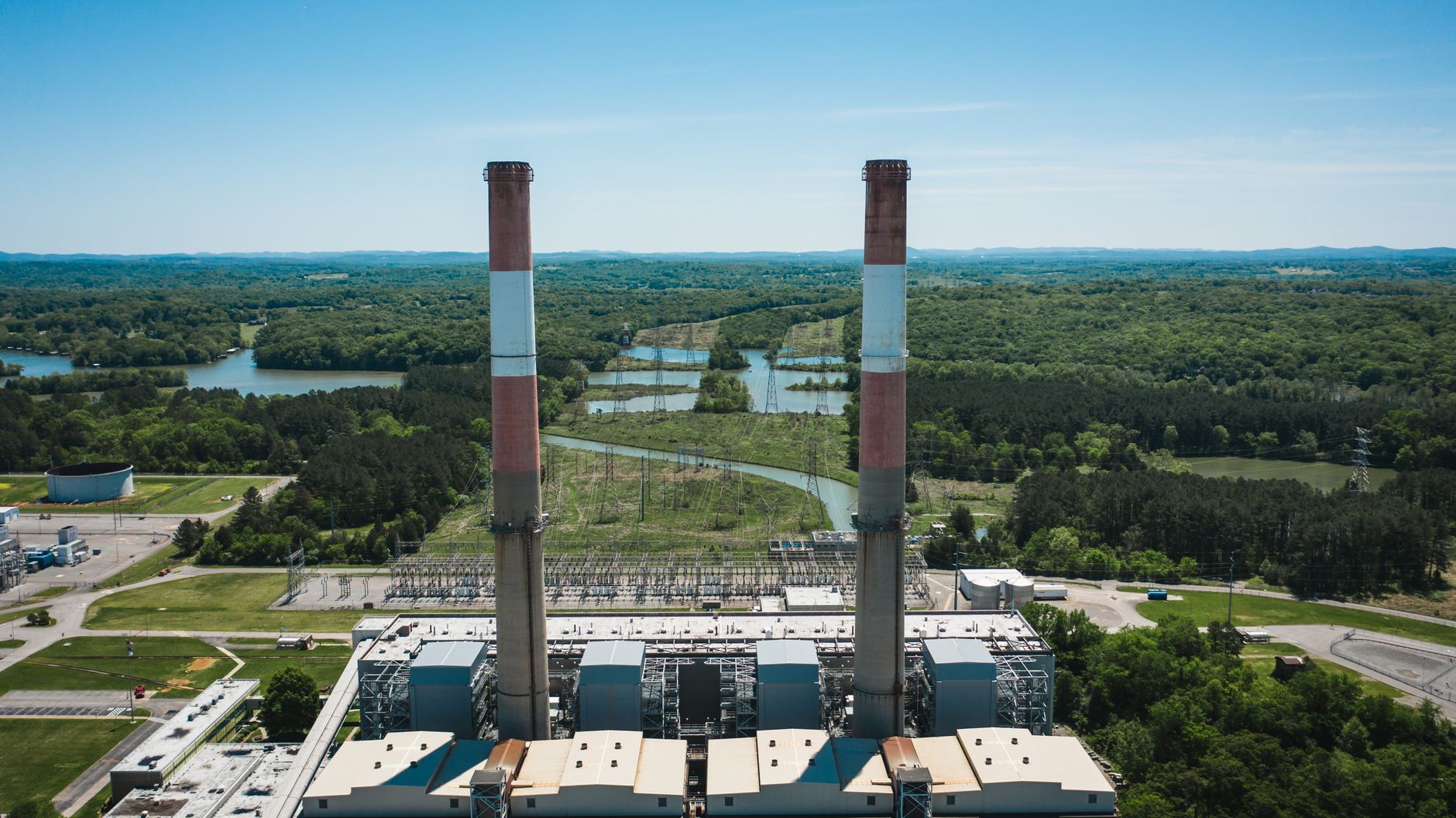
As institutional capital pivots toward sustainable mandates, the demand for high-fidelity data has never been higher. Traditional ESG reporting is plagued by "greenwashing" due to fragmented data silos and delayed reporting cycles. By leveraging real-world asset tokenization, firms can bridge the gap between physical operations and digital ledgers, creating a single source of truth for carbon credits, renewable energy outputs, and social governance metrics.
Key takeaways
- Tokenization enables real-time ESG data via IoT and oracles.
- Reduces greenwashing risks through immutable, verifiable audit trails.
- Bridges the gap between physical asset performance and digital finance.
- Requires careful integration of regulatory and tax compliance frameworks.
The Transparency Deficit in Traditional ESG
The current landscape of ESG investing criteria for portfolios is marred by a fundamental lack of granularity. Most institutional investors rely on third-party ratings that are often based on self-reported, annual data. This lag means that by the time an ESG score is updated, the underlying asset's actual environmental impact may have shifted significantly.
This opacity creates a significant risk for fund managers who must prove compliance with increasingly stringent regulatory frameworks. When dealing with complex real-world assets like wind farms or sustainable real estate, the data required to prove impact is often trapped in legacy ERP systems that do not communicate with financial reporting tools. This friction prevents the seamless integration of sustainability metrics into the asset's valuation.
Unlocking RWA Tokenization Opportunities
The true power of RWA tokenization lies in its ability to turn physical attributes into digital signals. When an asset—such as a solar farm—is tokenized, the smart contract can be programmed to trigger specific actions or distributions based on real-time IoT (Internet of Things) data. For instance, a token holder could receive a dividend increment tied directly to the kilowatt-hours generated and verified on-chain.
This level of automation reduces the administrative burden of compliance and provides a level of auditability previously thought impossible. As we explore how AI Agents and RWA are Revolutionizing Wealth Management, it becomes clear that the combination of automated intelligence and tokenized assets will redefine how value is tracked and distributed in a sustainable economy.
"The convergence of IoT and blockchain transforms ESG from a marketing department's annual brochure into a real-time, programmatic financial primitive."
Cross-Sector Case Studies: From Carbon to Community
In the carbon markets, tokenization is solving the double-counting problem. By representing carbon sequestration in a specific forest as a unique digital token, we ensure that a single unit of offset cannot be claimed by multiple parties. Each token acts as a digital twin of the physical sequestration event, backed by satellite imagery and sensor data.
In sustainable real estate, tokenization allows for fractional ownership of green-certified buildings. Investors can track the building's energy efficiency, water usage, and waste management metrics in real-time via the blockchain. This level of transparency is essential for institutional investors seeking to meet strict ESG mandates without the risk of accidental greenwashing.
| Metric Category | Traditional ESG Reporting | Tokenized RWA Reporting |
|---|---|---|
| Data Frequency | Annual/Semi-Annual | Real-time/On-demand |
| Verification Method | Manual Audits/Third-party | Automated IoT/Oracles |
| Transparency Level | Opaque/Self-reported | Transparent/Immutable |
| Cost of Compliance | High (Manual Verification) | Low (Programmable/Automated) |
Navigating the Regulatory Landscape
As tokenization moves from the fringes to the core of institutional finance, regulatory clarity is paramount. Investors must understand that while tokenization offers immense potential, it also introduces new complexities in jurisdictional compliance and tax reporting. It is vital to consult an Institutional Guide to Navigating Crypto Tax Rules in 2026 to ensure all digital asset transactions are handled according to evolving local laws.
Regulatory bodies are increasingly looking for ways to standardize ESG disclosures. Tokenized assets provide a ready-made infrastructure for these standards. By embedding regulatory requirements directly into the token's code, companies can ensure they remain compliant with local environmental laws and social governance mandates, significantly reducing the risk of legal penalties or reputational damage.
The Implementation Roadmap
Transitioning to a tokenized ESG framework requires a strategic approach to data integration and infrastructure selection. Organizations should follow these steps to ensure a robust rollout:
- Identify high-value ESG data points that directly impact asset valuation.
- Deploy IoT sensors or satellite monitoring to capture real-world environmental data.
- Select a blockchain infrastructure capable of handling high-frequency data updates via oracles.
- Integrate the tokenized asset with existing financial reporting and accounting software.
- Establish a continuous audit loop using decentralized identity protocols for data providers.
Note that while tokenization enhances transparency, it does not eliminate the need for professional oversight. The risk of sensor failure or oracle manipulation must be mitigated through multi-signature verification and redundant data sources.
The bottom line
The marriage of RWA tokenization and ESG reporting is not just a trend; it is the future of institutional-grade sustainable investing. To stay ahead, firms should begin by piloting a single asset class—such as renewable energy or sustainable forestry—to test the integration of real-time data with tokenized ownership. Don't wait for the market to standardize; build the infrastructure that sets the standard. For those looking for stable, low-risk entry points into digital finance, consider reviewing The 2026 Playbook for High Yield Savings Account to balance your portfolio's risk-reward profile.
Frequently asked questions
+How does RWA tokenization improve ESG reporting?
RWA tokenization uses blockchain and IoT to turn manual, annual ESG disclosures into real-time, verifiable data streams. This allows investors to see the actual environmental and social impact of an asset as it happens, rather than waiting for a yearly audit.
+What are the risks of tokenizing ESG-linked assets?
Primary risks include 'oracle risk' (incorrect data being fed to the blockchain), sensor failure in physical assets, and evolving regulatory landscapes. Investors must ensure redundant data sources and robust legal compliance frameworks are in place.
CF
Crypto Finance Editorial Desk
Crypto Finance's editorial desk pairs an AI research pipeline with human review so every article is accurate, useful and free of hype.
Related articles

Investing
EUR USD Forecast: Navigating Macro Trends and Interest Rates
Eur Usd Forecast: a practical, risk-aware guide covering costs, trade-offs, implementation steps and how to measure results within 90 days.
Editorial DeskAug 8, 20265 min0

Investing
Fractional Real Estate vs Gold: Risk-Adjusted Returns
Fractional Real Estate Investing Platforms: a practical, risk-aware guide covering costs, trade-offs, implementation steps and how to measure results within 90 days.
Editorial DeskAug 8, 20265 min2

Investing
Risk Analysis: Fractional Art vs Real Estate
Benefits Of Fractional Art Investing: a practical, risk-aware guide covering costs, trade-offs, implementation steps and how to measure results within 90 days.
Editorial DeskAug 8, 20265 min11