Real world asset tokenization is the process of converting rights to a physical or traditional financial asset into a digital token on a blockchain. This enables fractional ownership, 24/7 liquidity, and automated settlement, bridging the gap between legacy finance and decentralized protocols to unlock trillions in dormant capital.
Real World Asset Tokenization: A Strategic Guide
A strategic guide to real world asset tokenization, exploring how institutional shifts toward blockchain assets are unlocking liquidity and transforming global finance.
Crypto Finance Editorial DeskPublished Aug 7, 2026Updated Aug 7, 20265 min read1,060 words3 views
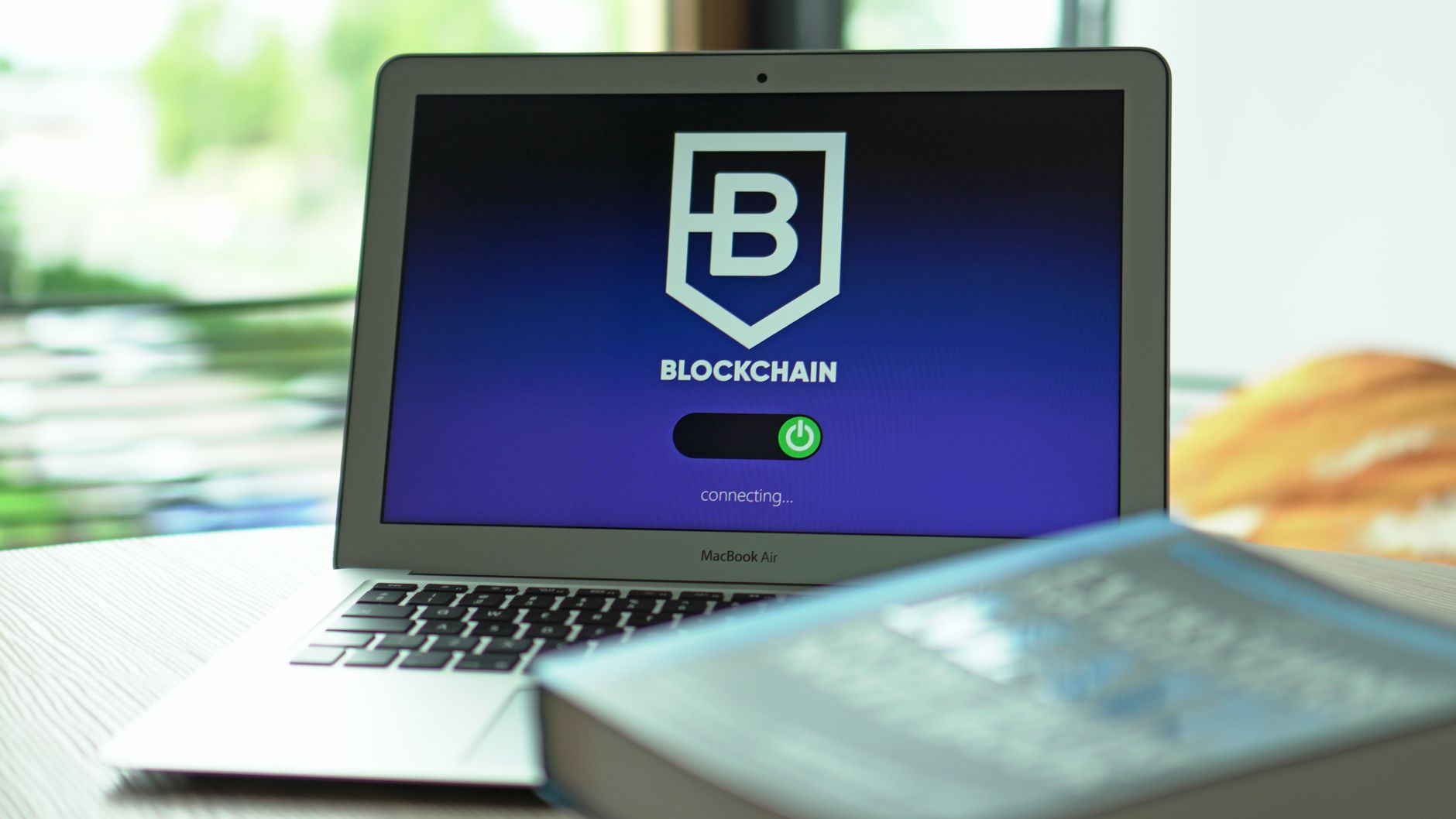
The shift toward tokenized assets is no longer a theoretical experiment; it is an institutional mandate. As liquidity fragmentation increases in traditional markets, blockchain technology provides the plumbing necessary for seamless, programmable asset management. This guide explores the technical mechanics and strategic deployment of RWA tokenization to help investors navigate this evolving landscape.
Key takeaways
- Tokenization bridges physical assets and blockchain for 24/7 liquidity.
- Institutional interest is driven by operational efficiency and atomic settlement.
- Key risks include smart contract vulnerabilities and regulatory fragmentation.
- Successful RWA deployment requires robust oracles and legal wrappers.
The Mechanics of Tokenization: Beyond the Hype
At its core, tokenization involves mapping the legal rights of an asset—such as real estate, private equity, or commodities—onto a distributed ledger. This requires a robust smart contract architecture that can handle complex logic, including dividend distributions, voting rights, and compliance checks. Unlike simple stablecoins, RWAs require a layer of legal wrapping to ensure the digital token is legally enforceable in a court of law.
The technical complexity lies in the 'Oracle' problem. Because blockchains are closed systems, they cannot natively 'know' if a physical building has been insured or if a gold bar is in a vault. Sophisticated tokenization platforms use decentralized oracles and third-party custodians to bridge this data gap, ensuring the on-chain representation accurately reflects the off-chain reality. This integration is where How AI Agents and RWA are Revolutionizing Wealth Management begins to manifest, as automated agents manage these data streams.
RWA Tokenization Opportunities for Institutional Investors
The most immediate opportunities lie in high-yield, low-volatility assets that have traditionally been illiquid. Private credit, for instance, has seen a surge in interest because tokenization allows smaller investors to participate in debt obligations that were previously reserved for massive hedge funds. By lowering the barrier to entry through fractionalization, issuers can tap into a much wider pool of capital.
Real estate remains a cornerstone of the RWA movement. Tokenizing commercial properties allows for granular ownership, where an investor can own a fraction of a specific floor in a skyscraper. This liquidity significantly reduces the 'illiquidity premium' typically required by investors, potentially revaluing the entire asset class. However, investors must carefully evaluate the regulatory framework of the jurisdiction where the asset is held.
| Asset Class | Primary Benefit | Complexity Level | Liquidity Profile |
|---|---|---|---|
| Treasury Bills | Yield in DeFi | Low | High |
| Real Estate | Fractional Ownership | High | Medium |
| Private Credit | Enhanced Yield | Medium | Low/Medium |
| Commodities | Hedging/Storage | Medium | High |
The Institutional Shift: From Pilot to Production
Major financial institutions are moving from isolated pilot programs to production-grade blockchain infrastructure. This shift is driven by the need for operational efficiency. Traditional settlement cycles (T+2 or T+3) are becoming obsolete in a world of instant digital payments. Tokenization enables atomic settlement, where the transfer of the asset and the payment occur simultaneously, eliminating counterparty risk.
As these systems mature, the intersection of regulatory compliance and blockchain technology will become seamless. Smart contracts will automatically enforce KYC (Know Your Customer) and AML (Anti-Money Laundering) protocols, ensuring that only verified participants can hold specific tokens. For those managing large portfolios, understanding the tax implications of these digital holdings is critical, as outlined in our Institutional Guide to Navigating Crypto Tax Rules in 2026.
"The ultimate goal of tokenization is not to create new assets, but to create a new way to trade everything that already exists, turning the world's stagnant capital into a fluid, programmable ocean of value."
Risk Management and Structural Challenges
While the potential is vast, the risks are non-trivial. Smart contract vulnerabilities remain a primary concern; a bug in the code can lead to the irreversible loss of asset ownership. Furthermore, the 'oracle risk'—the possibility of incorrect data being fed into the blockchain—can lead to catastrophic mispricing. Investors must demand audits from reputable security firms and look for multi-signature governance models.
Regulatory uncertainty is the second major hurdle. Different jurisdictions have vastly different views on whether a token constitutes a security, a commodity, or a utility. A tokenized real estate asset might be treated as a security in the US but under different rules in the EU. Navigating this requires a sophisticated legal approach and a deep understanding of local mandates.
Implementation Checklist for RWA Integration
For firms looking to integrate RWA into their offerings, a structured approach is required to mitigate technical and legal risks. Follow these steps to ensure a robust deployment:
- Define Asset Legal Wrapper: Establish the legal entity that holds the physical asset to ensure the token is legally tethered.
- Select Blockchain Infrastructure: Choose a network that balances security, throughput, and institutional-grade privacy features.
- Implement Robust Oracle Solutions: Integrate high-fidelity data feeds to bridge off-chain asset status with on-chain state.
- Develop Compliance Modules: Build identity and permissioning layers directly into the smart contracts.
- Audit and Stress Test: Conduct multiple rounds of code audits and simulate various market stress scenarios.
The Future Outlook: The Converged Economy
Looking toward the late 2020s, we anticipate a convergence where the distinction between 'crypto' and 'finance' disappears. In this future, every financial instrument is a token, and liquidity is a global, 24/7 utility. We will see the rise of automated wealth management systems that rebalance portfolios across physical and digital assets in real-time. For instance, an investor might move funds from a high-yield savings account to a tokenized private credit fund with a single click, guided by AI-driven insights.
The evolution of liquidity will change how we view savings and investment. As seen in The 2026 Playbook for High Yield Savings Account, the competition for capital will intensify as barriers fall. The winners in this new era will be those who master the technical orchestration of these diverse asset classes while maintaining strict adherence to evolving global regulations.
The bottom line
Real world asset tokenization is the most significant structural upgrade to the financial system in decades. To capitalize on this, investors should start by identifying high-value, illiquid assets that benefit most from fractionalization and start building exposure through established, audited protocols. Do not chase unverified yields; instead, focus on the underlying legal integrity of the asset-token link.
Frequently asked questions
+What is the main benefit of RWA tokenization?
The primary benefit is increased liquidity and accessibility. By fractionalizing large assets like real estate or private credit, tokenization allows smaller investors to participate, while providing 24/7 trading capabilities and reducing settlement times via smart contracts.
+What are the primary risks involved?
Risks include smart contract bugs, oracle failures (inaccurate data feeds), and regulatory uncertainty. Because tokens represent real-world assets, any legal discrepancy between the digital token and the physical asset can lead to significant disputes and loss of value.
CF
Crypto Finance Editorial Desk
Crypto Finance's editorial desk pairs an AI research pipeline with human review so every article is accurate, useful and free of hype.
Related articles

Investing
EUR USD Forecast: Navigating Macro Trends and Interest Rates
Eur Usd Forecast: a practical, risk-aware guide covering costs, trade-offs, implementation steps and how to measure results within 90 days.
Editorial DeskAug 8, 20265 min0

Investing
Fractional Real Estate vs Gold: Risk-Adjusted Returns
Fractional Real Estate Investing Platforms: a practical, risk-aware guide covering costs, trade-offs, implementation steps and how to measure results within 90 days.
Editorial DeskAug 8, 20265 min2

Investing
Risk Analysis: Fractional Art vs Real Estate
Benefits Of Fractional Art Investing: a practical, risk-aware guide covering costs, trade-offs, implementation steps and how to measure results within 90 days.
Editorial DeskAug 8, 20265 min11